
In other courses, we discussed the excavations by Layard and Botta in northern Iraq, where the Assyrians had built their cities. When the winged bulls and other monuments found their way back to European museums, the public was delighted and clamoured for more. And so in the year 1854, the British Museum approached the Foreign Office requesting to commission the British representative in Iraq to search for more treasures to grace the museum.
The Foreign Office obligingly communicated the request to the British consul in Basra, J E Taylor. This good man was not, of course, an archaeologist, nor had he any experience at excavations, but he was a willing servant of Her Majesty’s government.
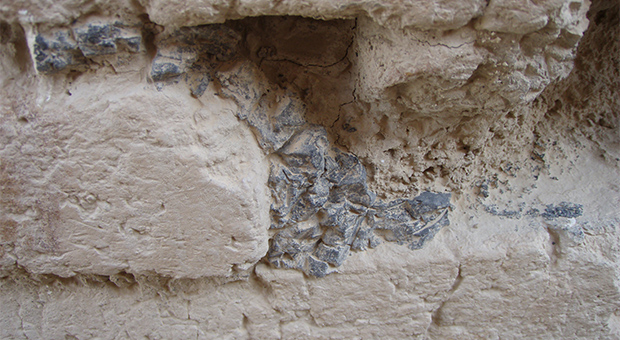
Rounding up a caravan of camels and donkeys laden with picks, shovels and supplies, Taylor set out for Tell el Maqayyar. After all, what better place to start digging than the well-known Mound of Pitch?
Arriving at the lonely desert site 150 kilometres northwest of Basra, he made an inspection of the mighty ziggurat. Carefully tapping on the brick walls, he listened for any responding echo that would betray a hollow place within. There was none. The edifice was as solid as the rock of Gibraltar.
Undaunted, Taylor set his men to work on the top of the building. He was still convinced that somewhere inside this giant temple were stored fabulous treasures that he could recover and proudly dispatch to London.
The Arab labourers obediently began their task, levering bricks from their place and hurling them to the ground below. The great temple tower that had withstood the ravages of thousands of years of heat, wind and driving sand began to yield to the onslaughts of ignorant humanity.
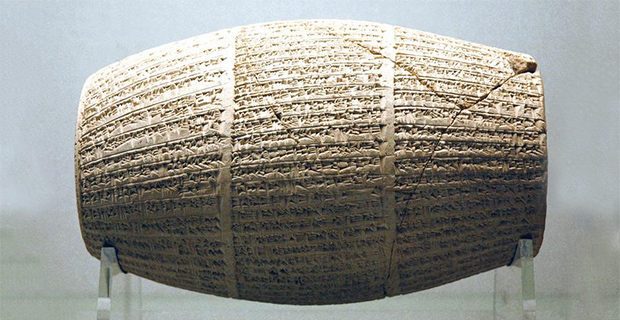
But if Taylor had visions of graceful stone statues or golden gods, he was doomed to disappointment. After two years of wearisome toil, all he could send back to London were four small clay barrels covered with mysterious cuneiform characters, which his men had recovered from the corners of the ziggurat. The directors of the British Museum were equally disappointed. After the spectacular discoveries from Nineveh and Khorsabad, this was indeed an anticlimax. Little did they realise the inestimable value of the finds Taylor had made.